
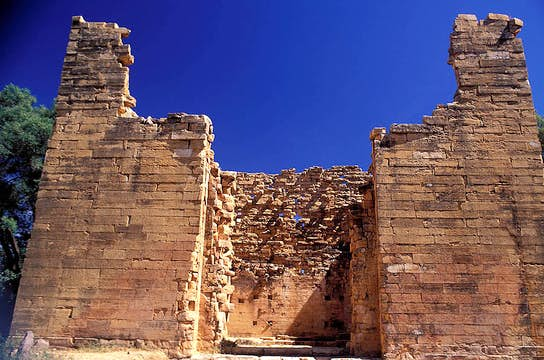
Temple of Yeha
The sixth century BC, Ethiopia’s historic route begins with a glance at the tantalizing remains of Yeha –the country’s earliest high civilization.
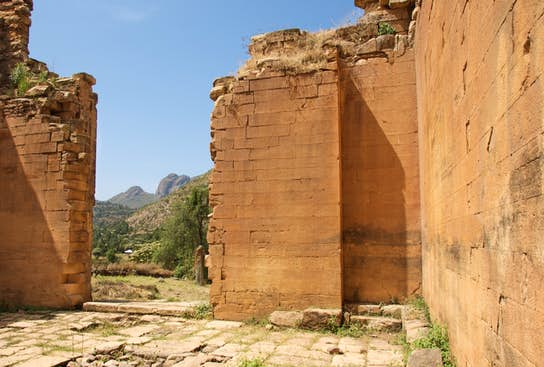
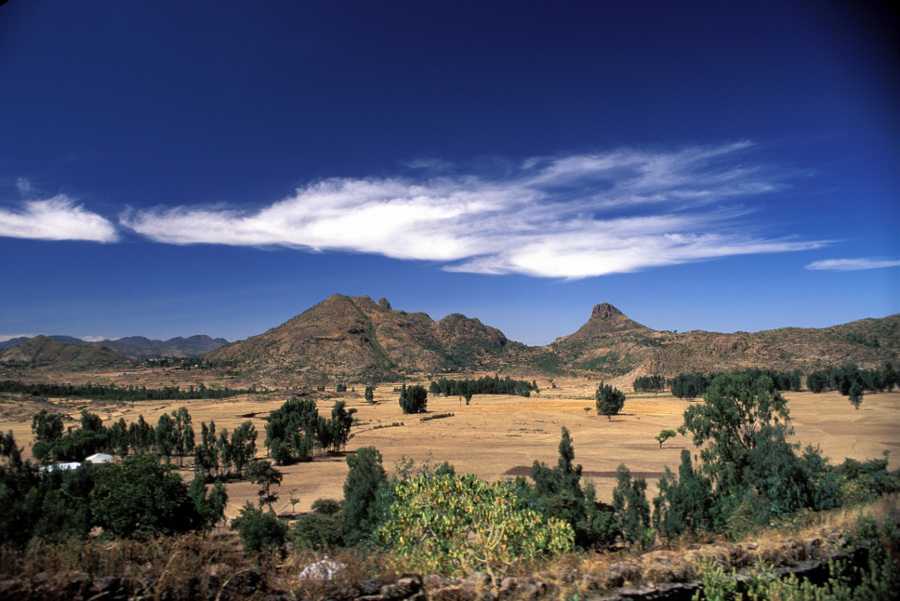
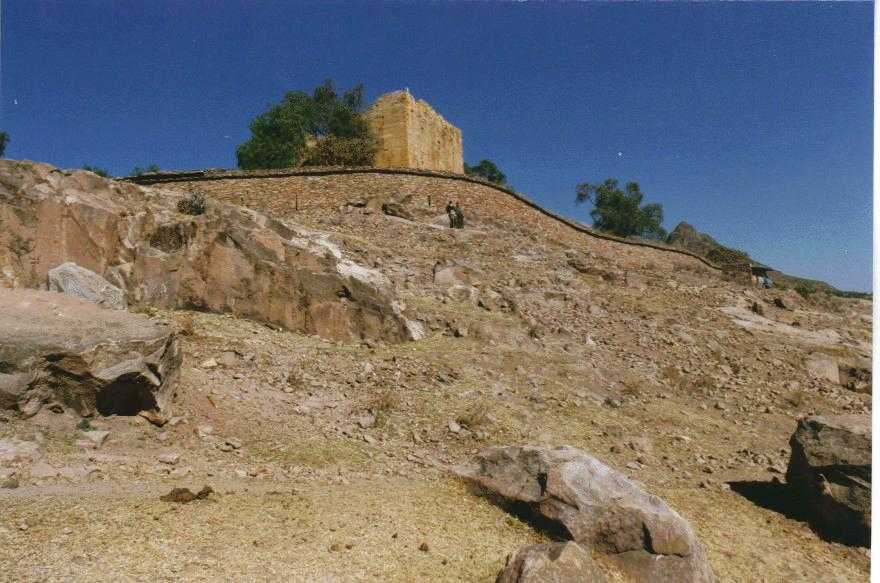
In a remote part of Tigray region, Yeha rests several hours drive from the more accessible city of Axum, the journey takes you on rough tracks through dramatic highland scenery and eventually ends in a beautiful and serene agricultural hamlet. It is there, close to a much more recent Christian church, that you may see the towering ruins of Yeha temple of the moon –built than 2,500 years ago, in Sabaen times.
Activities
Discovered in the town of Yeha in the Mehakelegnaw Zone of the northern Tigray region, the stone tower is built in a Sabean-style, common across much of sub-saharan Africa.
Towering over the small town, which is considered by many to be the pre-aksumite capital of the country, the temple of the moon was built in honour of the god Almougah, and dates back to around 700 BC to the reign of D’mt.
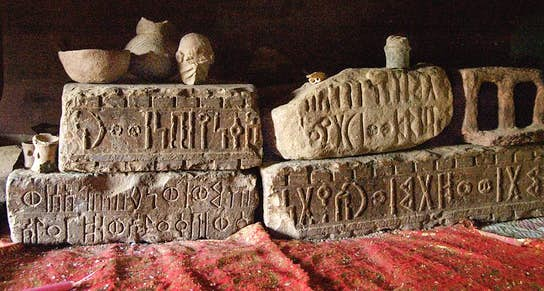
Stone carved inscriptions found across the site detail grand tales of Almougah’s glory and their power to cast out the harsh unrelenting sun.
Despite its now dilapidated facade, a sense of awe still overcomes those who wander past the five-metre tall doorway, into a cavernous space with a deep pool in the middle, which was used for ceremonial and sacrificial purposes.
All the limestone used in its construction was sourced from a local quarry, only 90 miles away from the site, and was built without the use of cement or mortar making its longevity even more puzzling.
As Christianity spread across the land, the site was adopted by early followers and converted into the monastery St Abuna Aftse, which remains to this day.
Various archaeological digs have been conducted around the area, many of which are still ongoing, uncovering millennia worth of history. Hidden beneath the shifting sands that surround the site as new layers are unearthed, Yeha temple and her long illustrious history is slowly being revealed.
